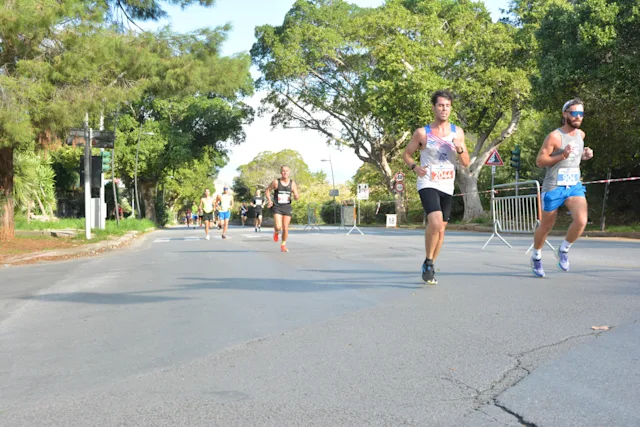
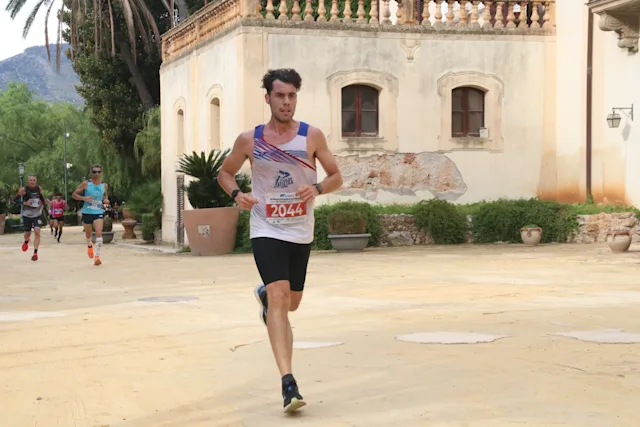
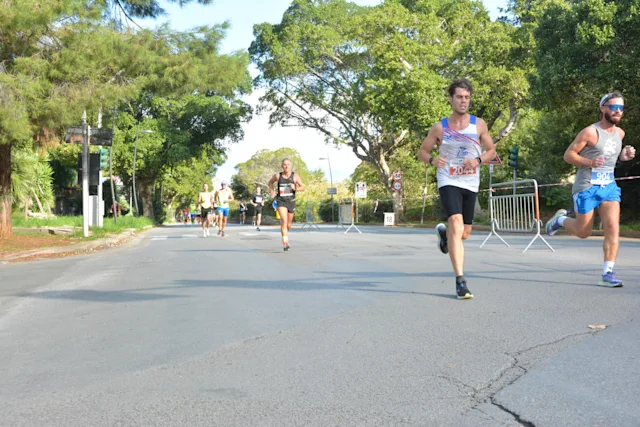
On October 19, 2025, I returned to the starting line of the 10K at the XII International Palermo Half Marathon, crossing the finish line in 39:14. Beyond the clock, this race represents an invaluable victory: the culmination of a long rehabilitation process and clear proof that my body has regained its mechanical efficiency.
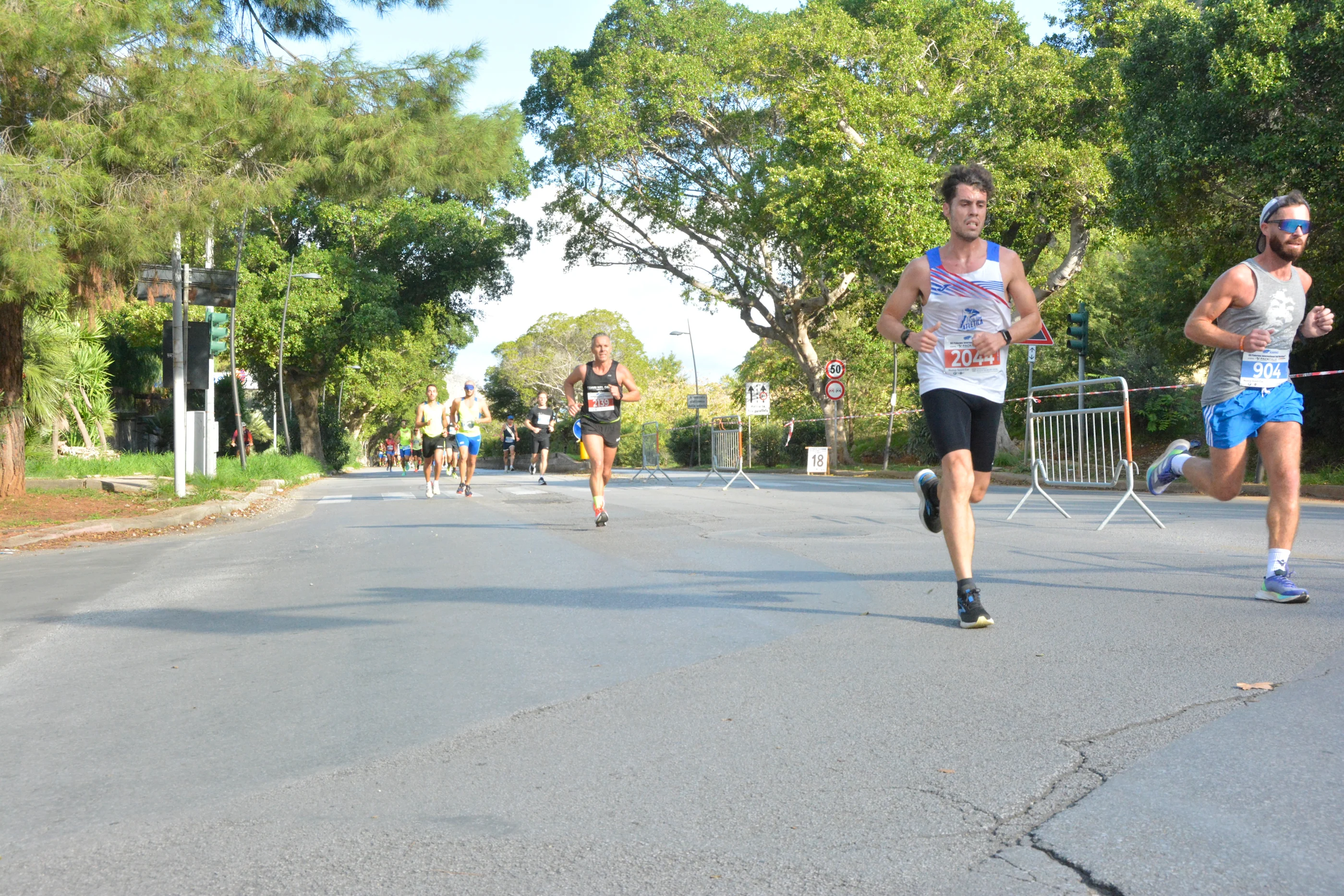
The Context: Return from Injury and Rebuilding
The summer between July and August was marked by a forced break due to a knee injury, following months of dealing with tendinitis and minor structural issues. Thanks to a year of meticulous work with my physiotherapist and the constant guidance of my father as coach—who kept me grounded even when I felt like giving up—the verdict before the race was clear: "Now you're running well."
Training leading up to this event was naturally gradual and cautious. The main goal wasn't to push for an all-out personal record, but to rebuild confidence under race conditions and verify biomechanical durability on a tough course ahead of the main objective of the season: the demanding Athens 10K.
Morning Run
domenica 19 ott, 11:36
10.15km
3:51/km
39:12
The Race and Course Execution
The Palermo course once again proved to be selective and demanding, ideal for testing both knee stability and heart rate management under load:
Mondello and the Favorita Climb (km 1–4): A controlled start at 3:53/km before tackling the inclines of Via Margherita di Savoia (+27m elevation gain on both the 2nd and 3rd kilometers). On the uphill section, splits settled around 4:01–4:03/km, keeping the effort well within threshold control without going into the red.
The Park Section and Cresting (km 5–6): After a partial recovery on the 5th km downhill (3:46/km), the final uphill push before looping back brought the 6th km to 4:05/km (+16m elevation).
Downhill Progression to Mondello (km 7–10): Cresting Favorita Park, the muscular response was solid and completely pain-free. The descent toward the Charleston beach club turned into a sharp, steady progression: 3:51, 3:38, and 3:34/km, closing the final full kilometer in 3:47/km with a closing sprint over the final 140 meters at 3:24/km.
Technical Analysis: Heart Rate and Mechanical Consistency
Strava data highlights a very consistent execution, marked by stable running mechanics and precise effort control:
Heart Rate & Threshold: Following an opening kilometer of settling in (151 bpm), heart rate locked into 173–178 bpm on the climb, before climbing steadily to 180–182 bpm in the final kilometers, peaking at 183 bpm during the closing sprint.
Cadence Data: Excellent consistency throughout the effort, maintaining an average between 180 and 186 steps per minute. This high turnover reflects a light, reactive, and efficient stride, crucial for minimizing joint impact on the knee.
Final Thoughts: On the Road to Athens
Finishing in 39:14 after months of uncertainty, physical therapy, and rebuilding feels like a true release. Running pain-free while pushing hard over the closing kilometers on home turf confirms that the work is paying off.
With the Palermo test successfully completed and structural health restored, focus shifts entirely to the next block of training. On the road to Athens: an iconic, tough, and historic course to be tackled with clarity and growing momentum.